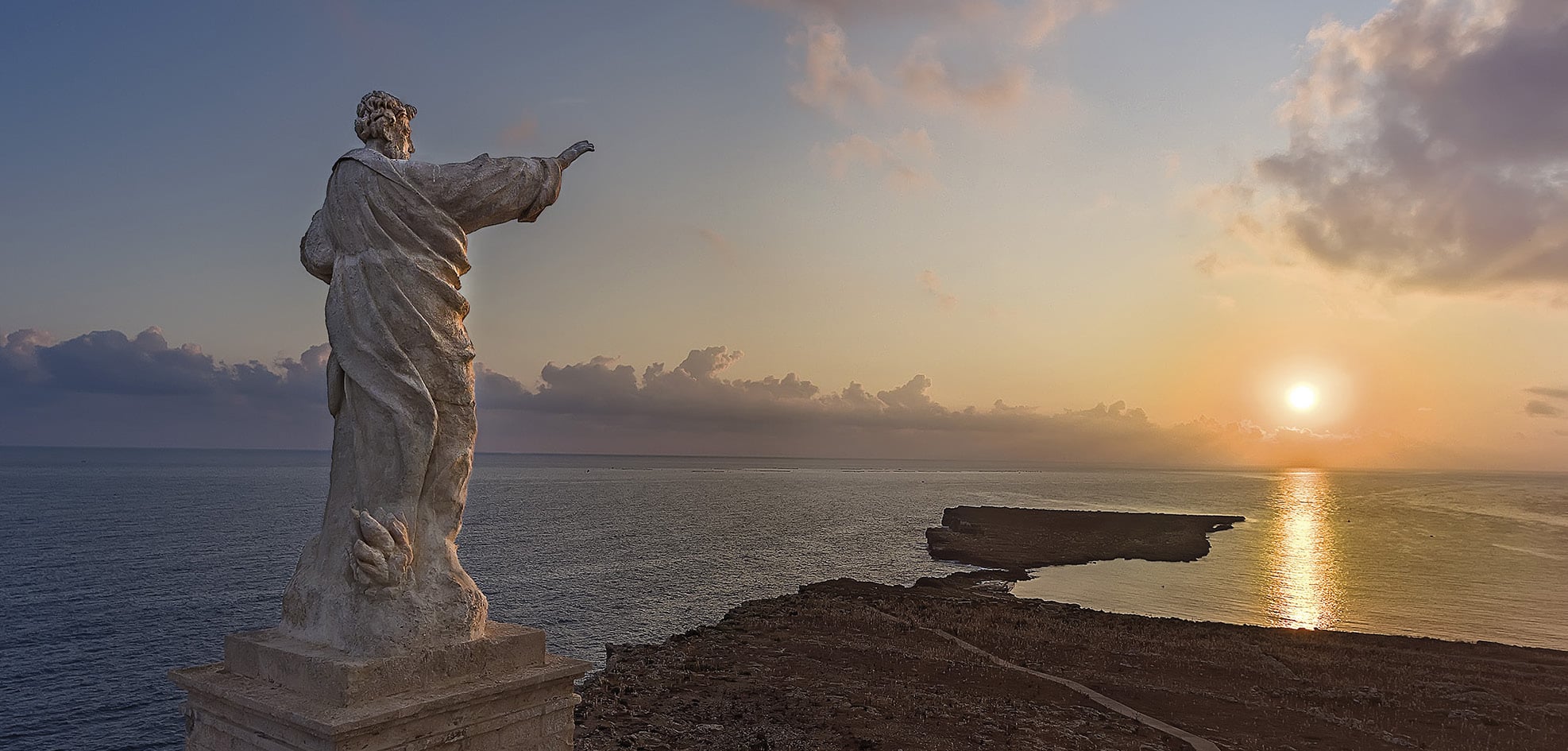
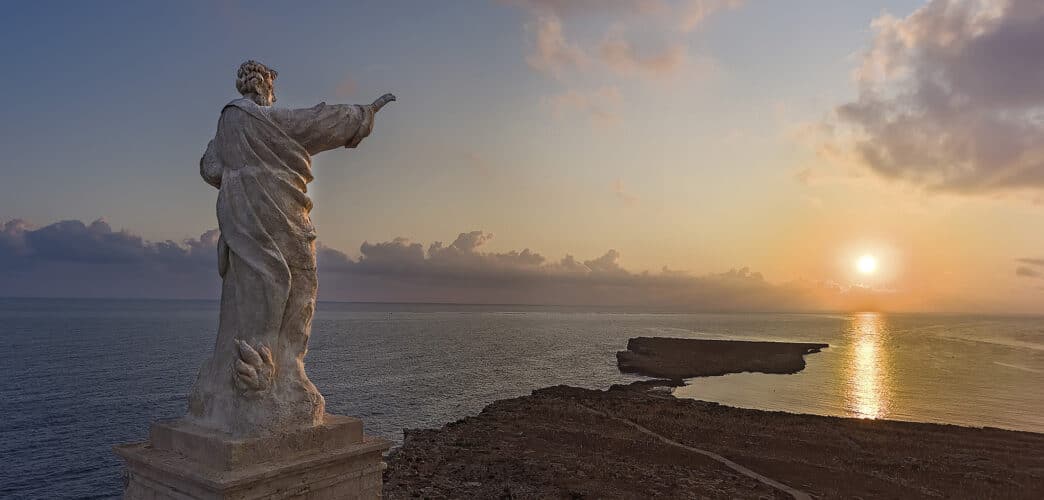
Malta is the 10th smallest country in the world. But this small island nation exerts a mighty spiritual magnetism that has drawn pilgrims from around the world. Its history is rich with ancient religious traditions and cultural influences. At the threshold between East and West, North and South, Malta has long been regarded as a sacred crossroads where nature, faith and history intertwine.
The archipelago’s religious roots date back to prehistoric times, with ancient temples marking the beginning of spiritual practice long before the rise of Christianity. Over time, many of these early sites either found new uses or became locations for Christian worship. Through countless tests, archaeologists have confirmed the remains are at least 8,500 years old, making these sites some of the most ancient religious sites on earth. It is no wonder that, in the past few years, the Maltese archipelago has become a hub of faith tourism and pilgrimages.
St. Paul and two millennia of Christianity
“Of all the gifts brought to these shores in the course of your people’s history,” Pope Benedict XVI told the Maltese when he visited the country in 2010, “the gift brought by Paul was the greatest of all, and it is much to your credit that it was immediately accepted and treasured.”
Paul was shipwrecked off the coast of Malta on his way to his trial in Rome in A.D. 60 and spent the unnavigable winter months there. That is to say, the Church in Malta is as ancient as those of Ephesus, Jerusalem, Corinth and Rome itself. Professor Stanley Fiorini explains:

Christianity in the islands did not spread like fire. … As elsewhere, the new religion began to come out in the open after Constantine’s edict of Milan in A.D. 313. Christian catacombs are known already from the fourth century. … A later phase of semi-troglodytic churches becomes apparent in the seventh century. … Later manifestations in the first millennium are the (fifth-century) Byzantine Basilica and baptistry at Tas-Silġ, a Christian presence at the San Pawl Milqi complex, the clear existence of a bishop of Malta in A.D. 553 and the four letters addressed to Malta’s bishops by Pope St. Gregory the Great (A.D. 592-603).
A legacy of faith, hope and love
During his stay in Malta, St. Paul left an eternal mark. His miraculous healing of Publius’ father and others sowed the seeds of Christianity in the archipelago. The apostle’s courage in crisis became the cornerstone of a faith tradition that has endured for 2,000 years. The country is sprinkled with sites that stand as enduring legacies of the apostle’s foundation of the Maltese Church. To learn more on St. Paul’s stay and plan your walk, visit XirCammini.org or email information@xircammini.org.
From Paul’s shipwreck to modern pilgrimage
Since then, Malta has maintained a unique place in Christian history. Indeed, the ancient pre-Christian sites and the many churches and pilgrimage routes that now dot the islands create a multifaceted religious history that is the cornerstone of a fascinating living heritage.

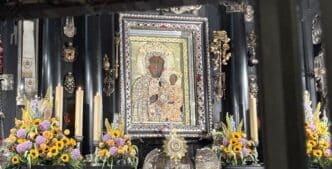
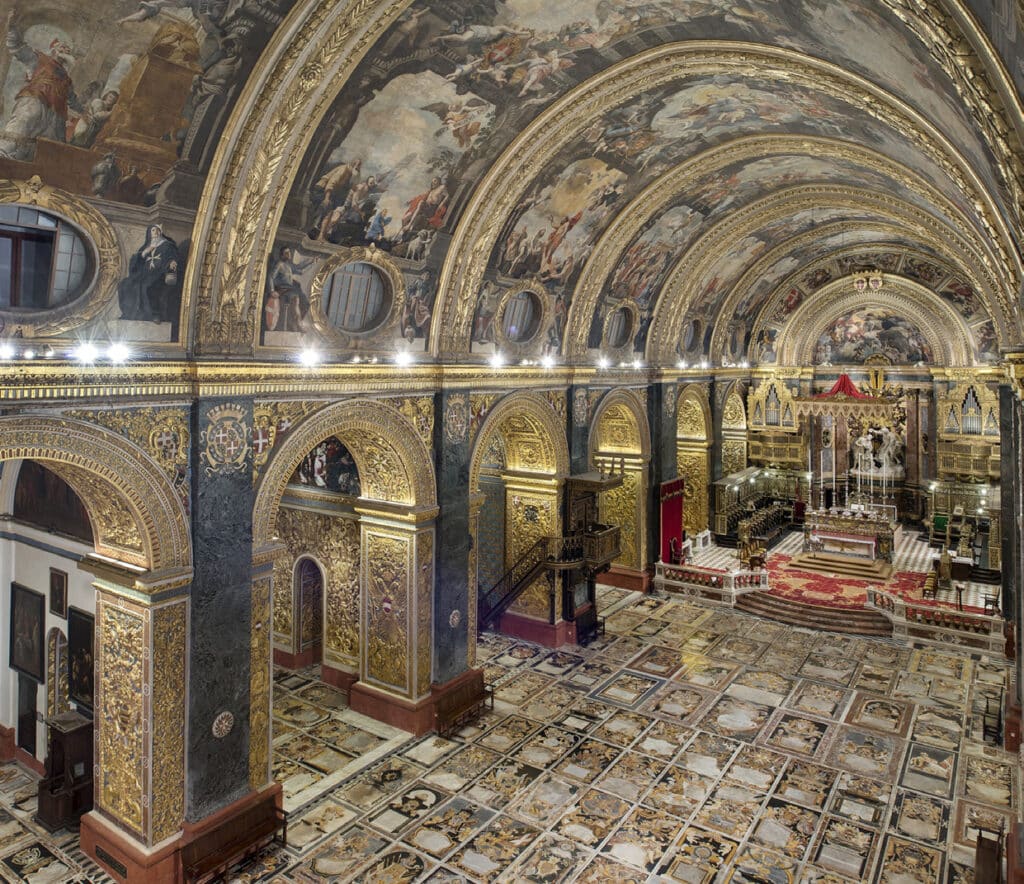
By the time Christianity became the official religion of the Roman empire, Malta’s Christian presence was already firmly established. Today, this long history is visible in the Maltese archipelago’s landscape, home to 359 Catholic churches, symbolic of a tradition that has integrated deeply into daily life. Each building has its own story to tell. St. John’s Co-Cathedral in Valletta, for instance, houses Caravaggio’s masterwork “The Beheading of St. John the Baptist,” while other churches across the archipelago preserve miraculous Byzantine icons.
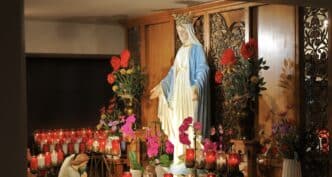
The Maltese people have often turned to their patron, St. Paul, and the Blessed Virgin Mary during times of trial. From the Great Siege of 1565 to the relentless bombings of World War II, Malta’s history is marked by resilience rooted in faith, hope and love. In the words of Pope Francis during his 2022 visit to Malta, Paul’s story invites us to become “witnesses to the God who is love.”
Perhaps the most distinctive aspect of Malta’s pilgrimage tradition is the Camino Maltés, recently included as a starting point on the renowned Camino de Santiago. For those walking these paths, Malta’s inclusion in this international network honors Malta’s role in shaping the religious history of the Mediterranean.
Becoming a faith tourism and pilgrimage hub
Pilgrimage routes span the islands of Malta and Gozo and have been carefully marked, cared for and revamped thanks to a recent and ongoing collaboration between the Malta Tourism Authority and XirCammini. These routes offer an exceptional immersive experience into Maltese spirituality, allowing pilgrims to travel through landscapes rich in religious history and cultural significance.
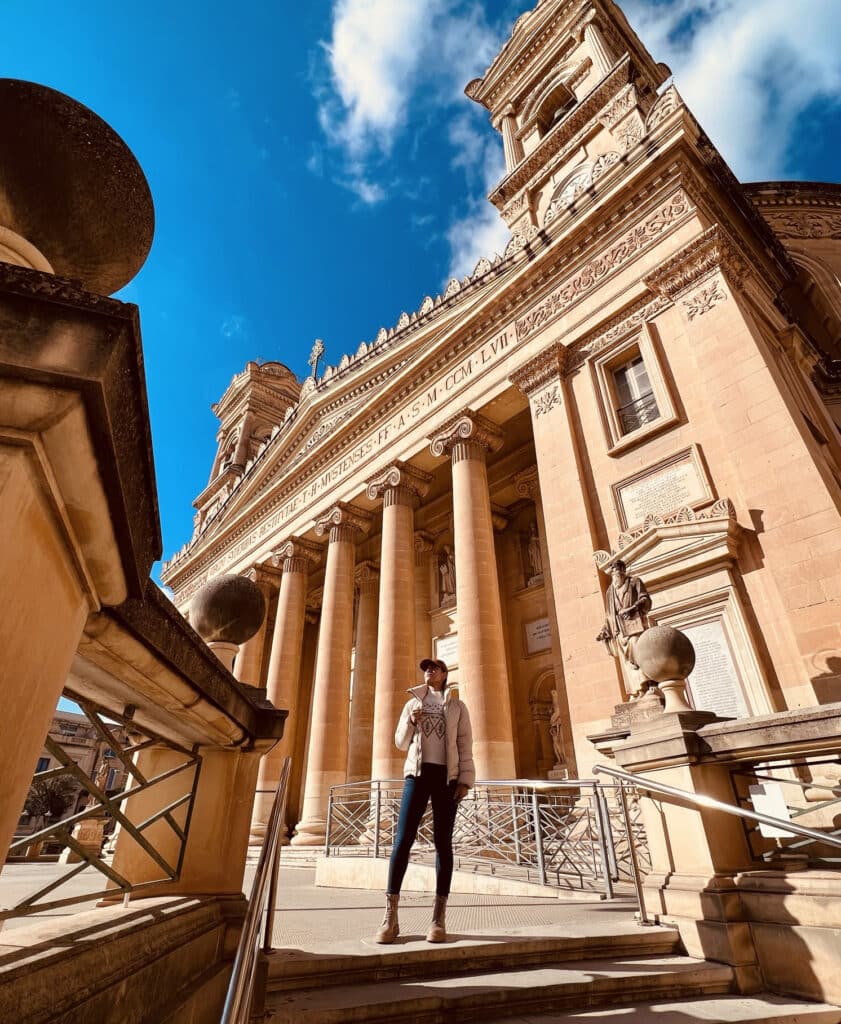
The Way of St. Paul is perhaps the most iconic of these paths, but the most famous pilgrimage route in the archipelago must be the Camino Maltés. Starting in Malta, pilgrims can embark on a spiritual journey that spans countries and cultures, highlighting the island’s history as one of the very cradles of European culture. Other itineraries include Marian pilgrimages (Melita Mariana and Mariae Melitensis) that cover exceptional Marian sites in the archipelago.
Malta’s many spiritual treasures are surprisingly accessible. Dotted with chapels, basilicas, hermitages, grottoes, paleo-Christian catacombs and convents and monasteries, the islands offer a pilgrimage experience that can be completed in a relatively short time. Its sacred paths are layered with history, culture and steadfast faith. Whether walking along rugged coastlines or through ancient stone villages, pilgrims are immersed in a place where the lines between past and present, heaven and earth, are blurred. To travel here is to discover that the Maltese islands offer the pilgrim everything he or she seeks.
This content has been brought to you in partnership with VisitMalta.